AI is changing how almost every business works. The International Monetary Fund estimated in 2024 that almost 40% of jobs worldwide are exposed to AI, with a similar share in emerging markets like India. The same analysis found that about half of exposed jobs could benefit from AI through higher productivity, rather than being replaced.
Web design is right in the middle of this shift. Tools can now produce a homepage layout, a colour palette or a block of copy in seconds. So the real question for business owners is not only "Will AI replace web designers?" but "What does good web design look like now that AI is part of the process?"
What AI is actually changing in web design
The biggest change is speed at the start of a project. AI tools can generate wireframes, layout ideas and mood boards in minutes, which means designers can explore many more directions before choosing one. Early stages that once took days can now take hours.
AI is also changing how content is produced. It can draft headlines, product descriptions and image alt text, giving writers and designers a starting point that a person then edits and checks. For visual assets, generated illustrations, automatic background removal and quick image resizing save hours of repetitive work.
Development has changed too. AI coding assistants speed up routine front-end and WordPress tasks, such as building standard components or fixing common layout issues. None of this removes the need for skilled people, but it does change where their time goes.
The limitations of AI-built websites
The first limitation is sameness. AI learns from what already exists, so its designs tend to look like everyone else's. For a business trying to stand out in a crowded market, a generic website is a real cost.
The second limitation is understanding. AI does not know why your buyers hesitate, what they compare you against or what makes them trust a supplier. Those insights come from knowing your business and your customers, and they shape every important design decision.
There are also risks around accuracy and brand. Generated copy can include confident but wrong claims, and generated visuals can slowly drift away from your brand style. Finally, AI website builders often leave technical problems behind: heavy pages, weak SEO structure and accessibility issues that hurt results months after launch.
Where human designers still lead
Human designers lead on strategy. Deciding what a website must achieve, and for whom, is a business decision that needs judgement and context. A designer who understands your goals will make different choices from a tool that only knows patterns.
They also lead on judgement. AI can offer twenty options, but someone has to know which one fits your brand, your market and your budget. In India, that judgement includes local context: understanding regional buyers, languages, payment habits and how heavily people rely on their phones.
Most importantly, people are accountable. A design team owns the outcome, tests the site with real users and keeps improving it after launch. AI does not take responsibility for whether your website brings in enquiries.
How to use AI without losing what makes design effective
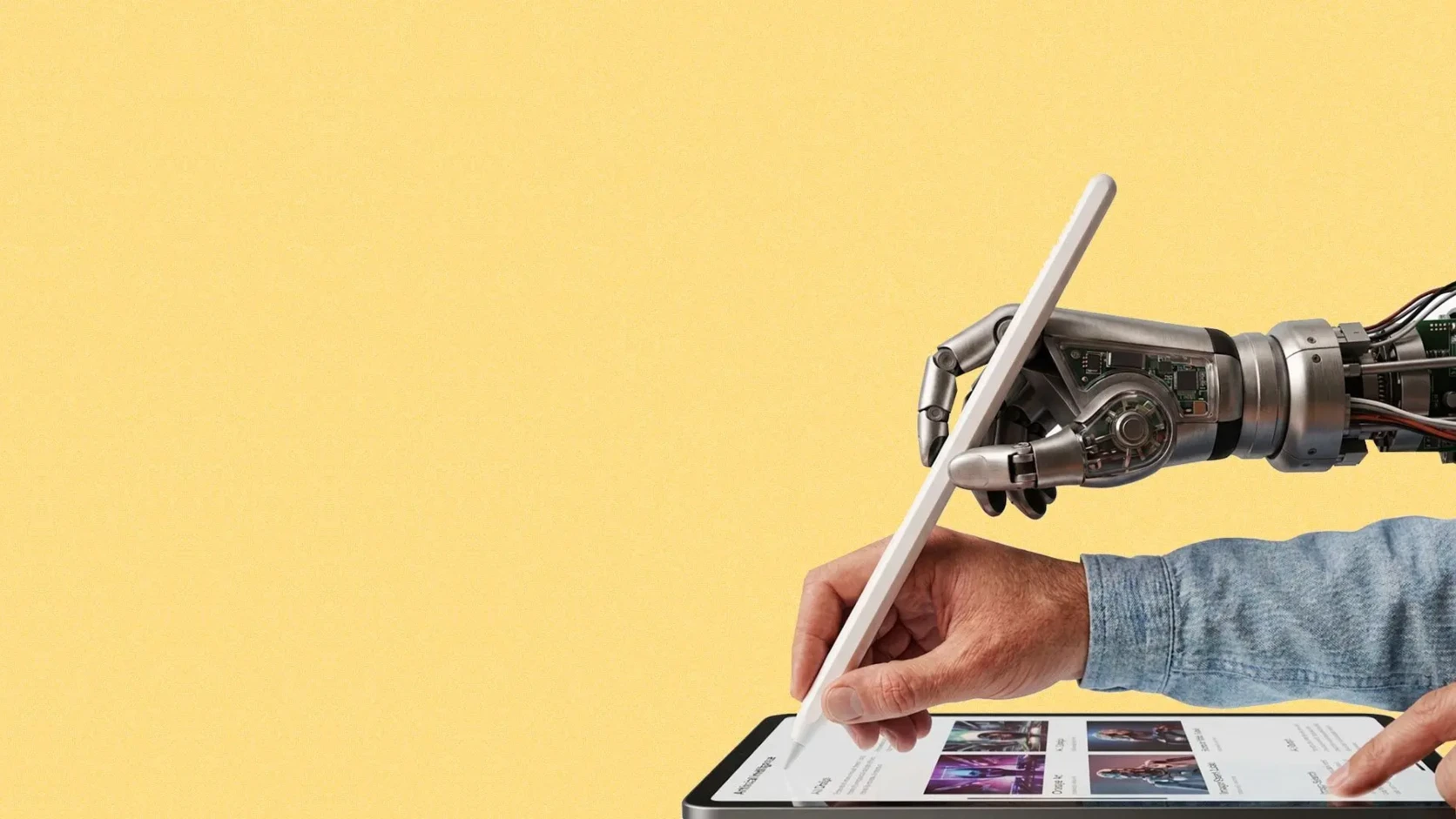
The most effective approach is to use AI for speed and people for decisions. Let AI help with early exploration, rough layouts and first drafts, but keep final choices about structure, messaging and visuals with your team.
A clear brand system makes this much safer. When your colours, typography, tone of voice and image style are written down, every AI output can be checked against them before it is used. Every word, claim and image should still be reviewed by a person before it goes live, especially facts, prices and promises.
Finally, measure what matters. The value of a website is in the enquiries, calls and sales it brings in, not in how quickly a page was produced. If AI helps you get better results, use more of it; if it does not, it is only saving time on the wrong things.
So, will AI replace web designers?
No, but it is replacing some tasks, and it is raising the bar. Designers who only push pixels will find AI doing much of that work. Designers who understand business goals, users and brand, and who use AI to work faster, will deliver better websites than before.
What this means for your business
For business owners, the practical effect is positive. You should expect faster delivery and more options from a good agency, because AI lets designers explore more ideas in less time without lowering quality. If a project timeline has not changed at all in the last two years, it is fair to ask why.
At the same time, judge the result rather than the tool. A website succeeds when it brings enquiries and builds trust, however it was made. The question to ask any agency is not whether they use AI, but how they make sure the final result is accurate, distinctive and built for your customers.
Our perspective at 3KITS
At 3KITS, we combine human creativity with AI-powered tools. We use AI to speed up research, early layouts, content drafts and routine code. Our designers and developers still make the decisions that matter: the structure, the brand expression, the user journey and the final quality checks. This mix lets us deliver sites faster while keeping them distinctive, accurate and built to perform.
Final thought
AI is a powerful tool in the designer's kit, not a replacement for the designer. The businesses that benefit most will be the ones that pair AI speed with human judgement. If you want to understand the difference between how a site looks and how it works, read our guide to web design vs UX design.
Ready to build a website that uses the best of both? Get in touch with the 3KITS team at www.3kits.com or call +91 90304 16219.