Many businesses invest in a website that looks impressive, then wonder why enquiries do not follow. The answer is often not the design itself but the experience behind it. Visitors do not judge a website by how it looks in a presentation. They judge it by how easily they can find what they came for.
What to Know
Good looks attract attention, but user experience decides whether visitors stay and act. Friction is often invisible to the people who built the website. Speed, clarity and trust are all part of the experience. And no marketing strategy can succeed if the website gets in the way.
Attention Is Easy to Win. Momentum Is Harder to Keep.
Advertising, social media and search can bring visitors to your website. That is the easy part. The hard part is keeping them moving once they arrive. Within seconds, every visitor is quietly asking a few questions: Am I in the right place? Can this business help me? What should I do next?
If the website answers those questions clearly, visitors keep going. If it does not, they leave, often without you ever knowing why. That is where many marketing budgets are lost: not in bringing people to the website, but in what happens after they land.
Every Visitor Arrives with Intent
People rarely visit a business website just to browse. They come with a purpose. They might want to check your prices, confirm you serve their area, see examples of your work or find a phone number to call.
A good user experience recognises that intent and makes the next step obvious. A poor one forces visitors to search for basic information, read through long introductions or guess which menu item leads where. Each moment of confusion increases the chance they will go back to Google and choose a competitor.
Friction Rarely Announces Itself
The biggest UX problems are often the hardest to spot from inside the business. Your team knows where everything is, so the website seems simple to them. New visitors do not have that knowledge.
Friction appears in small ways: a menu label that uses internal jargon, a form that asks for too much information, a button that is hard to tap on a phone, a pop-up that covers the content or a page that takes a few seconds too long to load. None of these seem serious on their own, but together they wear down a visitor's patience until they give up.
Polish Can Disguise Problems, but It Can't Fix Them
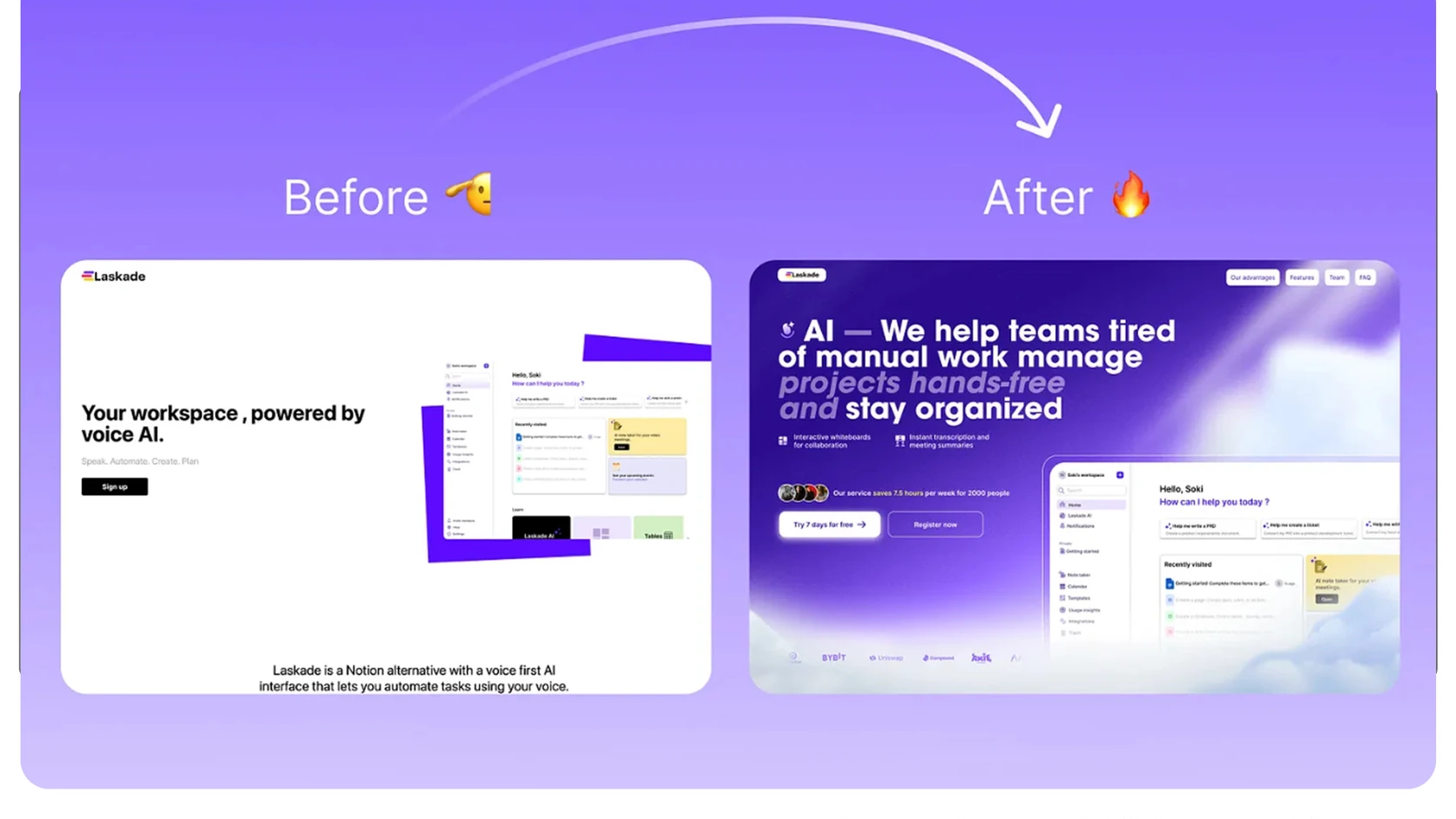
It is common to see websites that look excellent in a presentation but underperform once they go live. Large hero images, animations and stylish layouts create a strong first impression. But if key information is hidden, calls to action are unclear or pages are slow, the polish does not help.
Typical signs include visitors leaving the homepage without clicking anything, high traffic to a service page with very few enquiries, forms that are started but not submitted, and mobile visitors behaving very differently from desktop visitors. These are UX problems, and a new visual design alone will not solve them.
Experience Should Match Intent
Different visitors need different journeys. Someone ready to buy needs a clear route to pricing, booking or checkout. Someone still researching needs helpful information and reassurance. Someone returning to the website may just want to log in or find your contact details.
Good UX design maps these journeys and makes sure each one is short and clear. That might mean adding direct links from the homepage to your most important services, placing contact options where people expect them or simplifying a long form into a few essential fields.
Trust Is Built Through Behaviour, Not Just Messaging
Every website says its business is reliable and professional. Visitors judge that claim by how the website behaves. Do pages load quickly? Do links work? Is the information current? Is it easy to find a real address and phone number? Do reviews and examples of work look genuine?
When the website works smoothly, visitors assume the business does too. When it is slow, broken or confusing, they assume the opposite, however well the copy is written.
Performance Is Part of the Experience
Speed is not just a technical measure; it is part of how visitors feel about your business. Slow pages frustrate people, especially on mobile data, and many will leave before the page has finished loading. Heavy images, unnecessary scripts and cheap hosting are common causes.
Improving speed often has an immediate effect on results. Compressing images, removing unused features and choosing better hosting can make a website feel more professional and keep more visitors engaged.
UX Determines Whether Your Strategy Actually Lands
Your brand positioning, marketing campaigns and SEO all depend on the website to deliver results. If the website experience is poor, those investments underperform. If it is strong, every campaign works harder.
In our projects, the most effective improvements are often simple: clearer page structures, shorter forms, more visible calls to action and faster loading. These changes may not look dramatic, but they directly affect how many visitors become enquiries and customers.
What Next?
If your website looks good but is not delivering the enquiries or sales you expect, the problem may be the experience rather than the design. Ask yourself a few honest questions. Can a first-time visitor understand what you do within a few seconds? Is the next step always obvious? Does the website work as well on a phone as on a laptop? And does it load quickly on mobile data?
Design should follow a user experience that works. If you would like a fresh look at your website's user experience, the 3KITS team can review it and show you where visitors are getting stuck. Call or WhatsApp us on +91 90304 16219.