WordPress started life as a blogging tool, so it is fair to ask whether it is really suited to running an online store. With WooCommerce added, it powers a large share of the world's online shops, from small boutiques to busy B2B catalogues. But it is not the right answer for everyone, and the reasons why matter as much as the benefits.
At 3KITS we build and maintain WooCommerce stores alongside stores on other platforms, so this guide sets out both sides honestly.
How WordPress Ecommerce Works
WordPress itself is a content management system. It handles pages, blog posts, media and users. To sell online, you add WooCommerce, a free plugin that brings in products, a cart, checkout, payments, orders and customer accounts. Everything runs on your own hosting, and you own the website, the code and the data.
| Question | WordPress with WooCommerce |
|---|---|
| Who hosts the store? | You choose your own hosting provider |
| Who owns the data? | You do, fully |
| How flexible is the design? | Almost unlimited, through themes and custom development |
| How are features added? | Through plugins or custom code |
| Who maintains it? | You, your developer or your agency |
| What does it cost? | No licence fee; you pay for hosting, plugins and maintenance |
The Advantages of WordPress for Ecommerce
Exceptional Design and Functional Flexibility
With WordPress and WooCommerce, almost anything can be built. Your store can look exactly the way your brand needs, and product pages, checkout steps and customer journeys can be shaped around how your customers actually buy. This matters most for businesses with unusual products, custom options or B2B pricing.
Content and Commerce Live Together
WordPress is one of the best content platforms available. Blogs, buying guides, recipes, project galleries and landing pages sit naturally alongside your products. For brands that win customers through helpful content, this is a major advantage, because the content and the store support each other.
Ownership and Portability
Because WooCommerce is open source and runs on your own hosting, you are not locked into one company. You can change hosting providers, change developers or move to a different platform later, taking your data with you.
Strong Search Foundations
WordPress gives you full control over page titles, descriptions, URLs, structured data and site speed. Combined with good content, that gives WooCommerce stores a strong base for search engine visibility.
It Can Scale with the Business
With good hosting and careful development, WooCommerce stores can handle large catalogues and high order volumes. Growth needs planning, but the platform itself does not hold you back.
The Limitations and Responsibilities
Maintenance Is Ongoing
WordPress, WooCommerce, your theme and every plugin need regular updates. Updates bring new features and security fixes, but they need to be tested so that nothing breaks. This is ongoing work, not a one-time task.
Security Needs Active Ownership
Because you host the store, security is your responsibility. That means strong passwords, two-factor login, regular backups, a security firewall and timely updates. Most WordPress security problems come from neglected websites, not from WordPress itself.
Performance Does Not Happen Automatically
A WooCommerce store is only as fast as its hosting, theme and plugins. Cheap hosting, heavy themes and too many plugins can slow a store down, which costs sales. Speed has to be planned and maintained.
Complexity Can Increase Total Cost
WooCommerce is free, but premium plugins, hosting, development and maintenance all add up. A store with many custom features can cost more to run than a simpler hosted platform.
| Strength | Responsibility that comes with it |
|---|---|
| Full design freedom | Design and development need skilled people |
| Ownership of code and data | You manage hosting, backups and security |
| Thousands of plugins | Each plugin needs updates and can affect speed |
| No platform transaction fees | Hosting and maintenance costs are yours |
| Strong SEO control | Someone needs to use those controls well |
| Room to scale | Growth needs better hosting and careful planning |
When WordPress and WooCommerce Are a Strong Fit
WordPress and WooCommerce are a strong fit when content plays a big role in your marketing, because blogs and guides sit naturally next to your products. They also suit businesses with complex product options, custom pricing or B2B features such as quotes and wholesale accounts, since those can be built exactly as needed.
They make sense when you want full ownership of your website and customer data, when you need to connect the store to other systems such as ERP, accounting or courier software, and when you have a reliable development partner to look after updates and security.
When Another Platform May Be Better
A hosted platform such as Shopify may suit you better if you want to launch quickly with as little technical work as possible, or if your team does not want to think about hosting, updates and security at all. It can also be the better choice for simple product catalogues that do not need custom features, or when you expect very large traffic spikes and want the platform to handle them for you. Our guide to WooCommerce vs Shopify compares the two in more detail.
Questions to Answer Before Committing
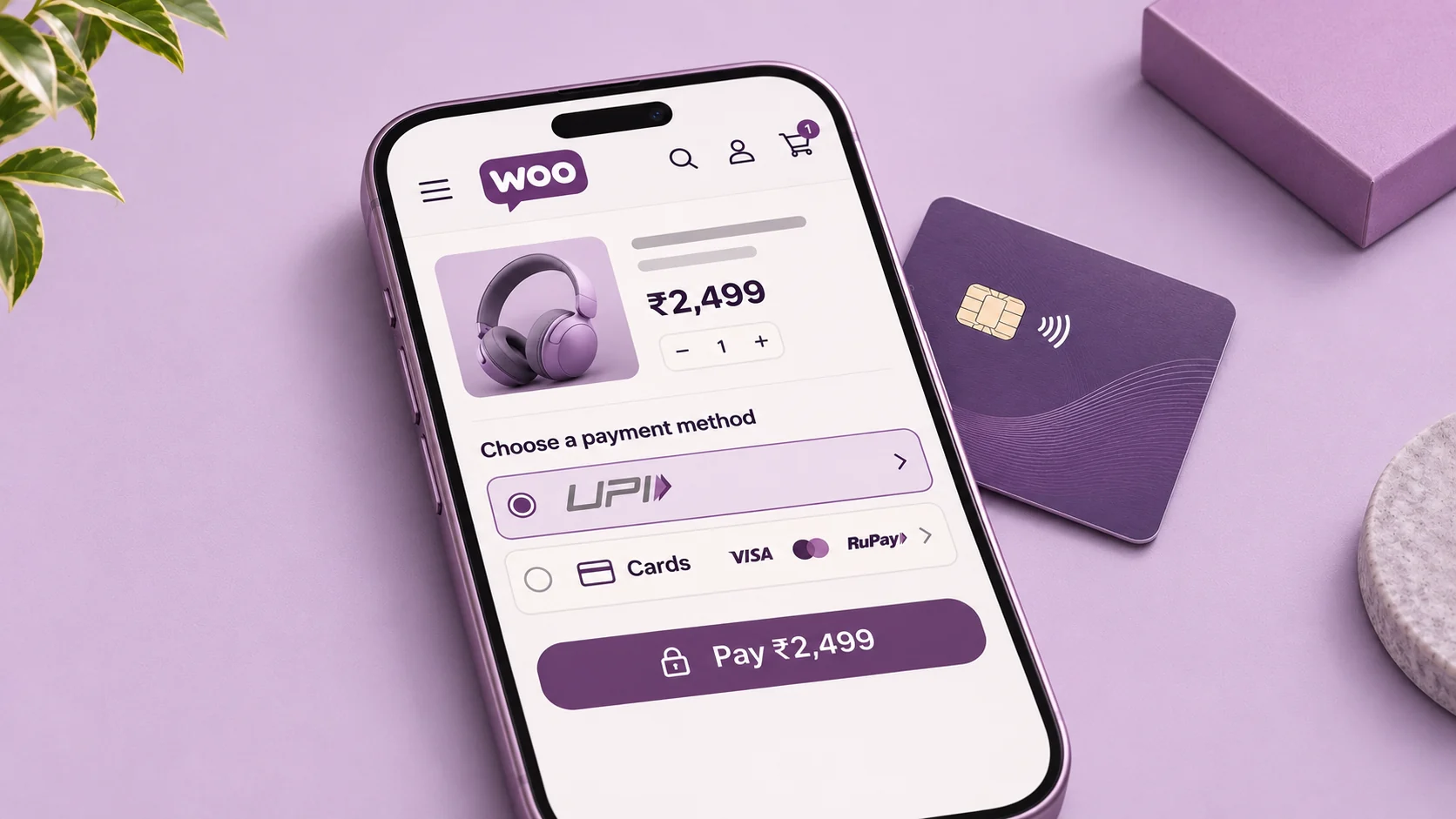
Before you choose WooCommerce, work through a few practical questions. How many products will you sell, and how complex are they? Which payment methods do your customers expect, such as UPI, cards and cash on delivery? Do you need to connect to other systems, such as accounting, inventory or courier software?
Think about the people as well as the technology. Who will manage the store day to day, and how comfortable are they with WordPress? Who will handle updates, security and backups? What budget do you have for maintenance, not just the initial build? How important is content to your marketing? And how do you expect the business to grow over the next two or three years? Clear answers to these questions usually make the decision obvious.
How to Build WooCommerce Well
| Area | Good practice |
|---|---|
| Hosting | Use quality hosting with servers close to your customers |
| Theme | Choose a lightweight theme or a custom build, not a bloated multipurpose theme |
| Plugins | Keep plugins to the essentials and choose well-supported ones |
| Payments | Use reliable Indian gateways with UPI, cards and net banking |
| Speed | Compress images, use caching and test on mobile data |
| Security | Enable two-factor login, backups, a firewall and regular updates |
| Maintenance | Test updates on a staging site before applying them live |
Why the Agency Partner Matters
With a hosted platform, much of the technical quality is handled for you. With WooCommerce, quality depends heavily on who builds and maintains the store. A good partner chooses the right hosting, keeps the plugin list lean, builds for speed and looks after updates and security over time. A poor one can leave you with a slow, fragile store that is expensive to fix.
The Verdict: Is WordPress Good for Ecommerce?
Yes, when it fits. WordPress with WooCommerce is an excellent choice for businesses that value flexibility, content, ownership and a tailored customer experience, and that are willing to invest in proper maintenance. It is not the easiest option, but in the right hands it is one of the most capable. If you would like an honest recommendation for your store, call or WhatsApp the 3KITS team on +91 90304 16219.