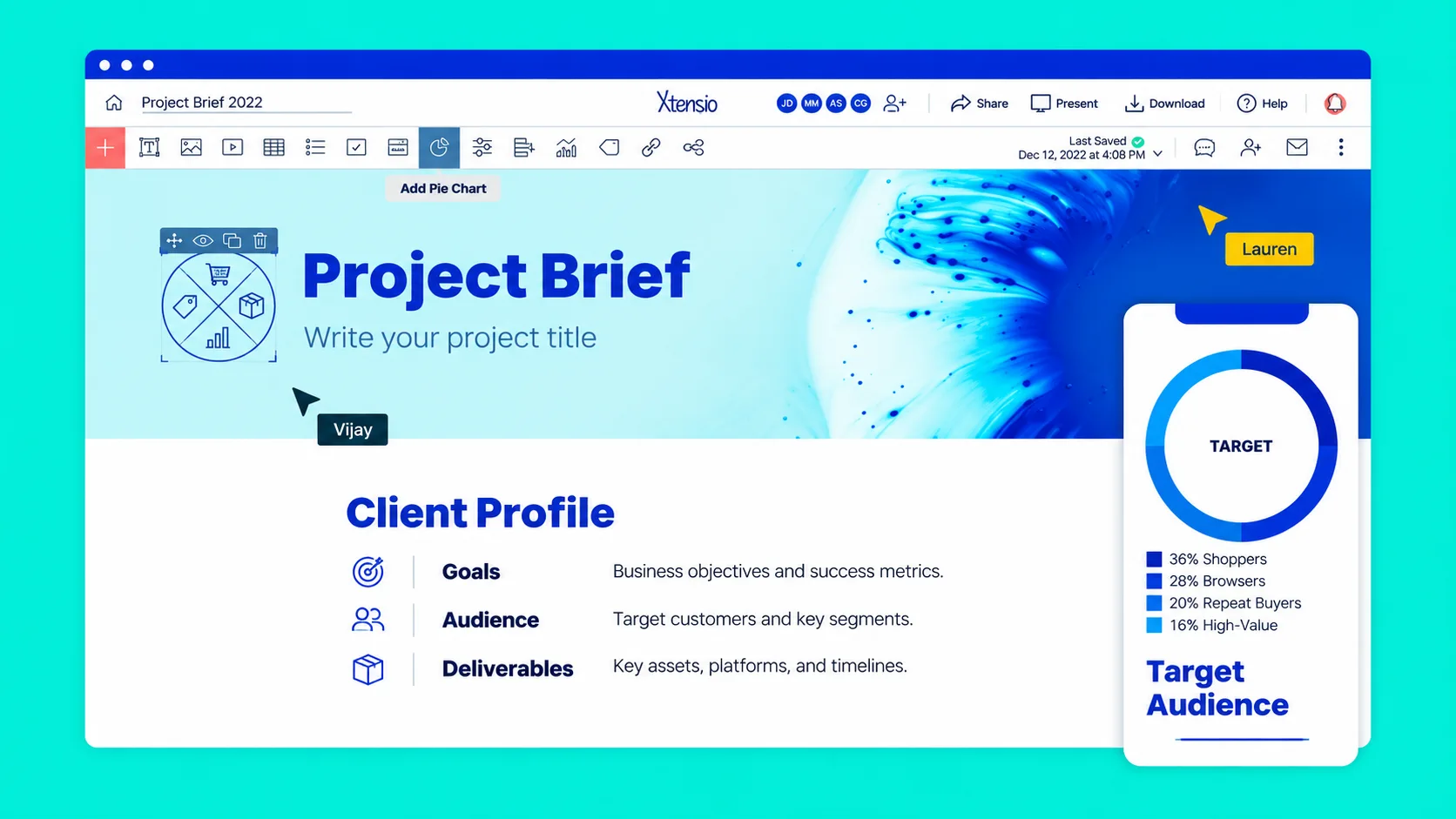
The quality of a website project is often decided before any design work begins. A clear brief helps agencies understand your business, quote accurately and propose the right solution. A vague one leads to mismatched quotes, slow progress and a website that misses the mark. The good news is that writing a strong brief is not difficult once you know what to include.
Are You Ready to Take Your Business Online to the Next Level?
Whether you need a new website, a redesign or an online store, the brief is where it all starts. It is your chance to explain what your business does, what you want the website to achieve and what success looks like. This guide explains why a good brief matters and what to include in yours.
Why Hire a Website Design and Development Agency?
Expertise That's Hard to Match
A good agency brings together strategy, design, content, development and SEO under one roof. Building that range of skills in-house is expensive and slow, especially for a single project.
Sector Know-How
Agencies that have worked across many industries, such as healthcare, real estate, education and manufacturing, understand what customers in those sectors look for and what tends to work. That experience helps you avoid common mistakes.
Performance-Driven Results
A professional agency builds websites to achieve business goals, not just to look good. That means planning for speed, search visibility, conversions and tracking from the start.
A Fresh Pair of Eyes
It is hard to see your own business the way customers do. An outside team can spot confusing language, missing information and opportunities that are easy to miss from the inside.
Why a Strong Brief Is Crucial
A brief sets the direction for the whole project. When it is clear, agencies can understand your needs quickly, propose the right approach and give accurate quotes that are easy to compare. When it is vague, quotes vary wildly, important features are missed and the project is more likely to run over time and budget.
A good brief also helps your own team. Writing it forces you to agree on goals, priorities and decision-makers before the project starts, which avoids disagreements later.
Golden Rules for a Great Website Brief
Inspire with Vision
Share where you want the business to go, not just what the website should contain. The more an agency understands your ambitions, the better it can design a website that supports them.
Be Upfront About Budget
Many businesses hesitate to share a budget, but it is one of the most useful things you can include. Without it, agencies have to guess the scale of the project. With it, they can recommend what is achievable and where to focus your investment.
Shortlist Wisely
Send your brief to a small number of agencies that have relevant experience and a portfolio you like. Sending it to too many makes comparison harder and wastes everyone's time.
Do Your Research
Look at agencies' previous work, read their reviews and ask about their process. The right agency is one you can work with comfortably for months, not just the one with the lowest quote.
What to Include in a Website Brief
1. Business Background
Explain what your business does, how long you have been operating, where you work and what makes you different. Include anything that helps an outsider understand your business quickly.
2. Your Brand Personality
Describe how you want your business to come across: formal or friendly, premium or affordable, traditional or modern. Share your logo, brand colours and any brand guidelines you already have.
3. Target Audience
Describe the people you want to reach. Include who they are, what they need, what worries them and how they usually find businesses like yours. If you serve several audiences, such as patients and doctors, or buyers and investors, describe each one.
4. Competitor Insights
List a few competitors and websites you admire, inside or outside your industry, and explain what you like or dislike about them. This helps the agency understand your taste and your market.
5. Objectives and Goals
Be specific about what the website should achieve. Common goals include generating more enquiries, increasing online sales, improving brand perception, reducing support calls, recruiting staff and showcasing completed projects. Put your goals in order of priority, so the agency knows what matters most.
6. Challenges
Share the problems with your current website or situation. It may be slow, hard to update, not ranking on Google, not working well on mobile or simply out of date. Knowing the challenges helps the agency focus on solving them.
7. Project Requirements
List the features and pages you expect, such as service pages, a blog, an online store, booking forms, multilingual content or integrations with a CRM or payment gateway. Mark which are essential and which are nice to have.
8. Success Metrics
Explain how you will judge whether the project has worked, for example the number of monthly enquiries, conversion rate, search rankings or time saved by your team. Agreeing on measures early keeps everyone focused on results.
9. Timeline
Share any deadlines, such as a product launch, a trade show or a new financial year, and explain whether they are fixed or flexible. Remember to allow time for your own team to provide content and feedback.
10. Stakeholders
Explain who will be involved and who has the final say. Projects run more smoothly when there is one clear decision-maker and a small group giving feedback, rather than many voices at every stage.
11. Your Budget
Share a budget range and explain whether it includes ongoing costs such as hosting, maintenance and marketing. This helps agencies propose a solution that fits, and avoids surprises later.
Design Is Subjective, and That's a Good Thing
Everyone has opinions about design, and that is normal. The key is to keep feedback tied to your goals and your customers rather than personal taste alone. Ask "Will this help our customers understand us and get in touch?" rather than "Do I like this colour?" A good agency will explain the thinking behind its design choices and welcome honest, specific feedback.
Final Thoughts: Start Strong, Stay Aligned
A clear website brief saves time, money and frustration. It helps you choose the right agency, get accurate quotes and keep the project focused on what matters most to your business. Take the time to write it well, and refer back to it throughout the project.
Want to Get Started?
If you are planning a new website or a redesign, the 3KITS team would be happy to help you shape your brief and recommend the right approach. Call or WhatsApp us on +91 90304 16219.